The second definition states that the ‘detail’ is applied onto the building on all scale to the point of ad nauseam. The author cites Edward Cullinan’s addition to the St. John’s College Library in 1994 where Cullinan essentially use as many circles as possible from, ‘entry plaza, benches, stairs, elevators, lamps, handrails, concrete columns, steel columns, fasteners lamps, lamp bases, plumbing taps, balconies, desks, whether large or small, solid or void. This platonic shape was applied to solve every issue.

Ford goes on to elaborate historical context of such motify styling from the Gothic era, which was then adopted by modernism, justified by various philosophical underpinnings from ‘organic metaphor, cultural symbol, geometric strategy or even as an expression of the nature of the material’.
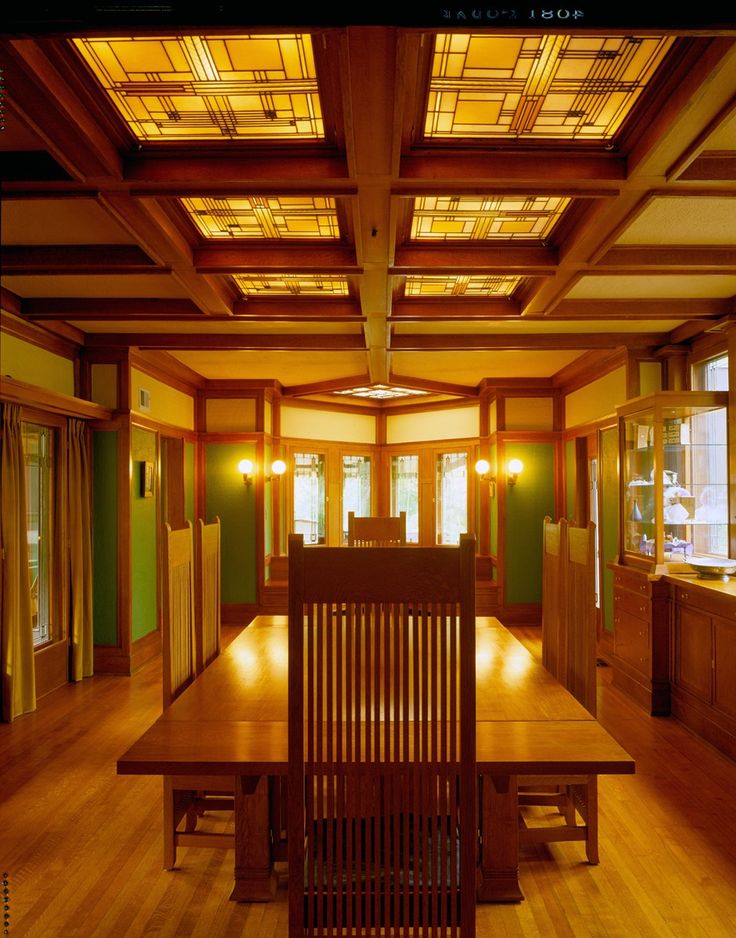
Scarpa and Wright were noted as two modernist architects most adhering to this way of design, of motific detailing, where the problems were generated in: the inability to respond to scale, the blurring of material difference between elements or just plain styling.
 bldg I blog